
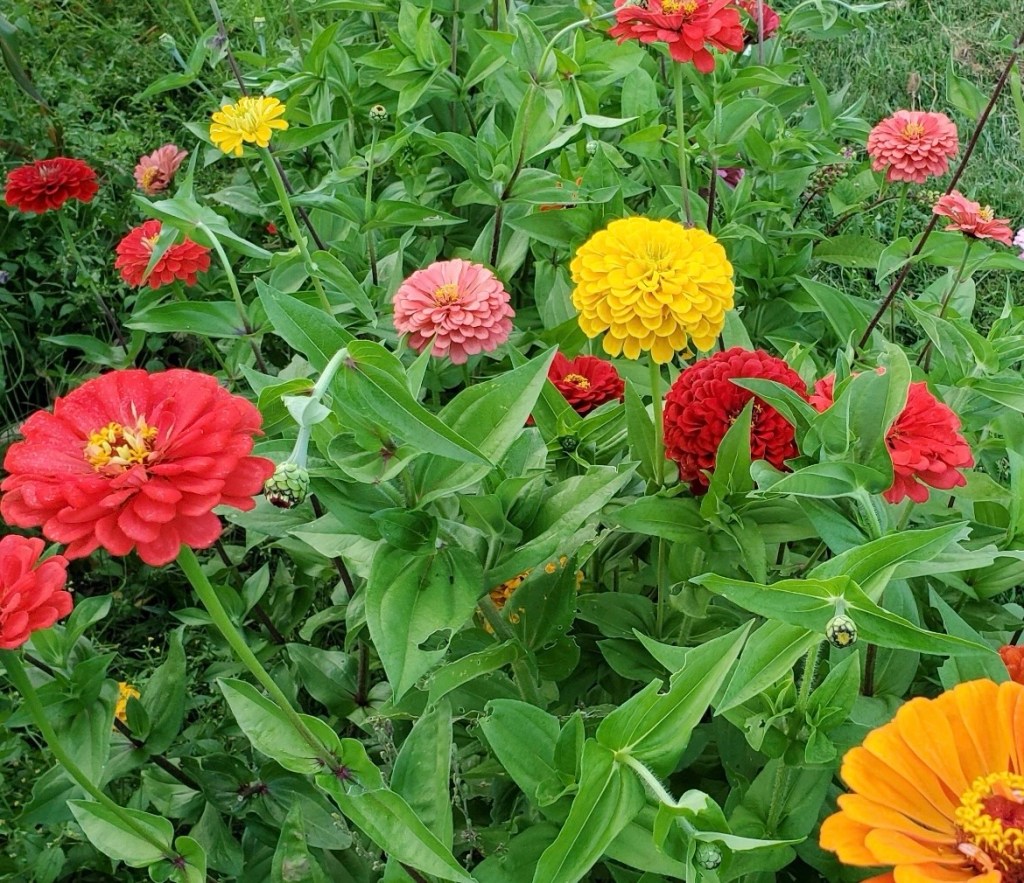
If you’ve ever admired a field of wildflowers swaying in the breeze, you might assume that kind of natural beauty takes years of effort to achieve. In reality, many wildflowers are surprisingly easy to grow—even for beginners. With minimal care, the right seeds, and a bit of patience, you can transform a patch of soil into a vibrant, pollinator-friendly oasis.
Why Choose Wildflowers?
Wildflowers are not only beautiful, but they’re also practical. Unlike many cultivated garden plants, they tend to be hardy, adaptable, and low-maintenance. They often require less watering, fewer fertilizers, and minimal attention once established. Plus, they attract bees, butterflies, and other beneficial insects, supporting local ecosystems.
Top Easy-to-Grow Wildflowers
1. Black-Eyed Susan (Rudbeckia hirta)
These cheerful yellow flowers with dark centers are a staple in many wildflower gardens. They thrive in full sun and tolerate poor soil, making them ideal for beginners.
2. California Poppy (Eschscholzia californica)
Known for their vibrant orange blooms, California poppies are drought-tolerant and grow quickly from seed. They prefer sunny spots and well-drained soil.
3. Cornflower (Centaurea cyanus)
Also called bachelor’s buttons, cornflowers produce striking blue blossoms and are incredibly easy to grow. They can handle a variety of soil conditions and often reseed themselves.
4. Cosmos (Cosmos bipinnatus)
Cosmos are delicate-looking but surprisingly tough. They bloom in shades of pink, white, and purple, and thrive in poor soil with lots of sunlight.
5. Blanket Flower (Gaillardia)
With their warm red and yellow tones, blanket flowers bring a burst of color to any garden. They are heat-tolerant and bloom for long periods with little care.
Getting Started
Choose the Right Location
Most wildflowers prefer full sun, so pick a spot that gets at least 6–8 hours of sunlight daily.
Prepare the Soil
Wildflowers don’t need rich soil, but removing weeds and loosening the top layer helps seeds take root more easily.
Sow Seeds Simply
Scatter seeds evenly over the soil and lightly press them in—no need to bury them deeply. Water gently after planting.
Water Wisely
Keep the soil moist until seedlings are established. After that, many wildflowers can handle dry conditions.
Tips for Success
- Don’t over-fertilize—wildflowers prefer lean soil.
- Mix different species for a longer blooming season.
- Allow some flowers to go to seed to encourage natural reseeding.
- Be patient—some varieties take a little time to establish but will reward you year after year.
Final Thoughts
Growing wildflowers is one of the simplest ways to bring color, life, and biodiversity into your outdoor space. Whether you have a large yard or just a small patch of soil, these resilient plants can create a stunning display with minimal effort. Start small, experiment with a few varieties, and enjoy watching nature do the rest.
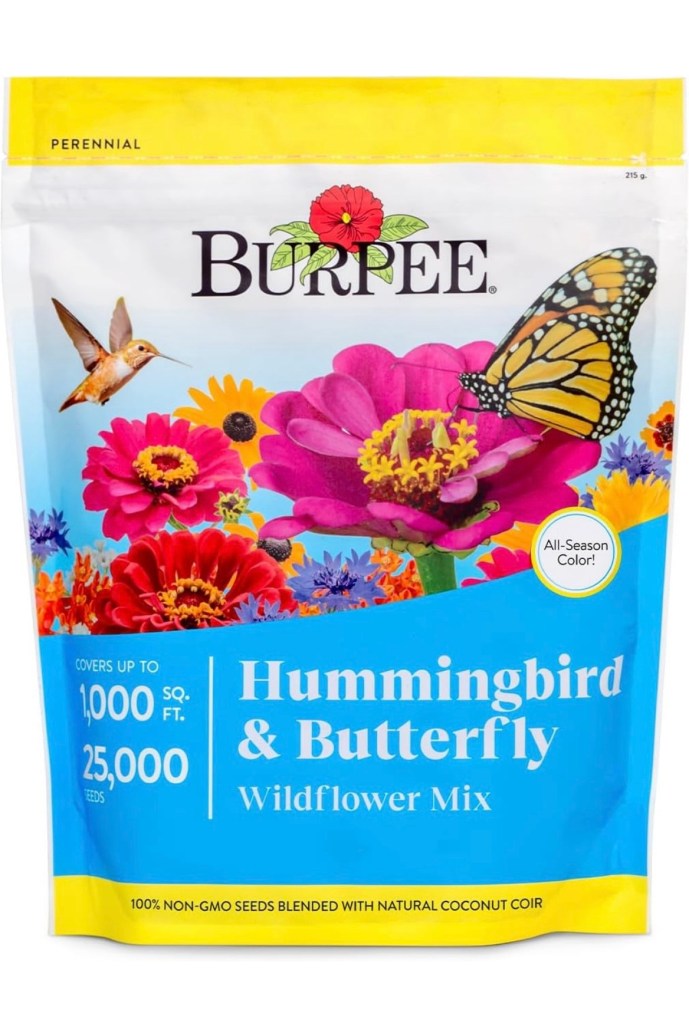
Check out my favorite seeds
 Tots Birds Eye View