
If you’ve ever spotted a sleek black bird shimmering with iridescent blues, purples, and greens, chances are you’ve encountered the common grackle. Often mistaken for a crow at first glance, these intelligent and adaptable birds are members of the blackbird family and bring their own unique charm to backyards and open fields across North America.
What Does a Common Grackle Look Like?
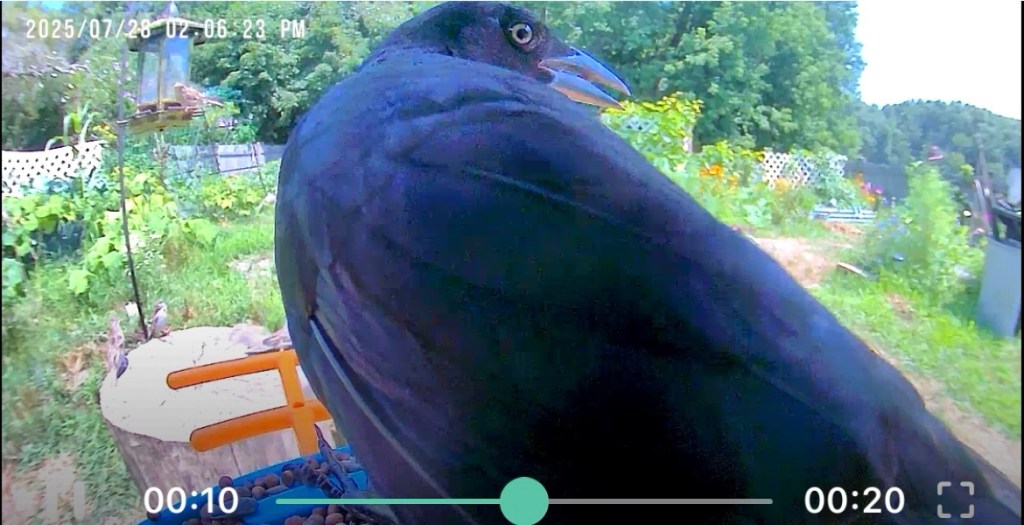
The common grackle is larger than most blackbirds, with a long tail, slender body, and sharp, pointed beak. Their glossy plumage isn’t just black—it shines with metallic hues that catch the sunlight beautifully. Males are typically more vibrant, while females tend to appear slightly more muted. One of their most striking features is their pale yellow eyes, which stand out against their dark feathers.
Where Can You Find Them?
Grackles are native to much of the eastern and central United States, often gathering in large flocks. They thrive in a wide variety of habitats including:
- Suburban backyards
- Agricultural fields
- Woodlands and marshes
- City parks and parking lots
Their adaptability is one reason they’re so widespread and successful.
What Do Grackles Eat?
These birds are opportunistic feeders with a diverse diet. You might spot them at your bird feeder, but they’re just as happy foraging in fields or scavenging in urban areas. Their diet includes:
- Seeds and grains
- Insects and spiders
- Small fish, frogs, and even other birds’ eggs
- Human food scraps
This flexibility helps them thrive in both rural and urban settings.
Behavior and Social Life
Grackles are highly social and often form large flocks, especially during migration. Their calls are loud, creaky, and somewhat metallic—distinct from the more musical songs of other backyard birds. While some may find their vocalizations harsh, others appreciate the wild character they bring to the soundscape.
They’re also known for their intelligence. Grackles have been observed using problem-solving skills to access food, even cracking open acorns or raiding cornfields with precision.
Why Some People Love (or Dislike) Grackles
Grackles tend to spark mixed feelings among bird watchers. On one hand, their glossy feathers and playful behavior are fascinating. On the other, they can dominate bird feeders, raid crops, and gather in noisy flocks. Still, they play an important ecological role by controlling insect populations and cleaning up food scraps.
How to Attract (or Deter) Grackles
If you’d like to welcome grackles, consider offering:
- Platform or ground feeders
- Corn, sunflower seeds, or peanuts
- A bird bath for drinking and bathing
If you’d rather discourage them to give smaller birds a chance, try using tube feeders with small perches that grackles can’t easily use, or safflower seed, which they don’t favor.
Final Thoughts
Love them or not, the common grackle is an important part of the bird world. Their adaptability, intelligence, and striking plumage make them a bird worth noticing. Next time you see one strutting across a lawn or glimmering in the sunlight, take a moment to appreciate the unique personality this bird brings to your environment.
 Tots Birds Eye View